Debunking Myths About Bankruptcy: What You Should Really Know
El
Understanding Bankruptcy: Separating Fact from Fiction
Bankruptcy is a topic shrouded in misconceptions, often leading to unnecessary fear and anxiety. Many people believe that filing for bankruptcy is the end of their financial journey, but this is far from the truth. This post aims to debunk some common myths and provide clarity on what bankruptcy truly involves.

Myth 1: Bankruptcy Means Losing Everything
One of the most pervasive myths is that filing for bankruptcy will result in losing all your possessions. While bankruptcy can involve liquidating assets to pay off debts, certain exemptions protect essential belongings. Exemptions vary by state, but they often include necessary items like your home, car, and personal effects.
It’s important to understand that the goal of bankruptcy is not to punish but to provide a fresh start. Many people are surprised to learn they can retain much of their property.
Myth 2: Bankruptcy Permanently Ruins Your Credit
A common fear is that bankruptcy will destroy your credit forever. While it does have a significant impact, it’s not permanent. Typically, a bankruptcy can stay on your credit report for up to ten years, but this doesn’t mean you can’t rebuild your credit during this time.
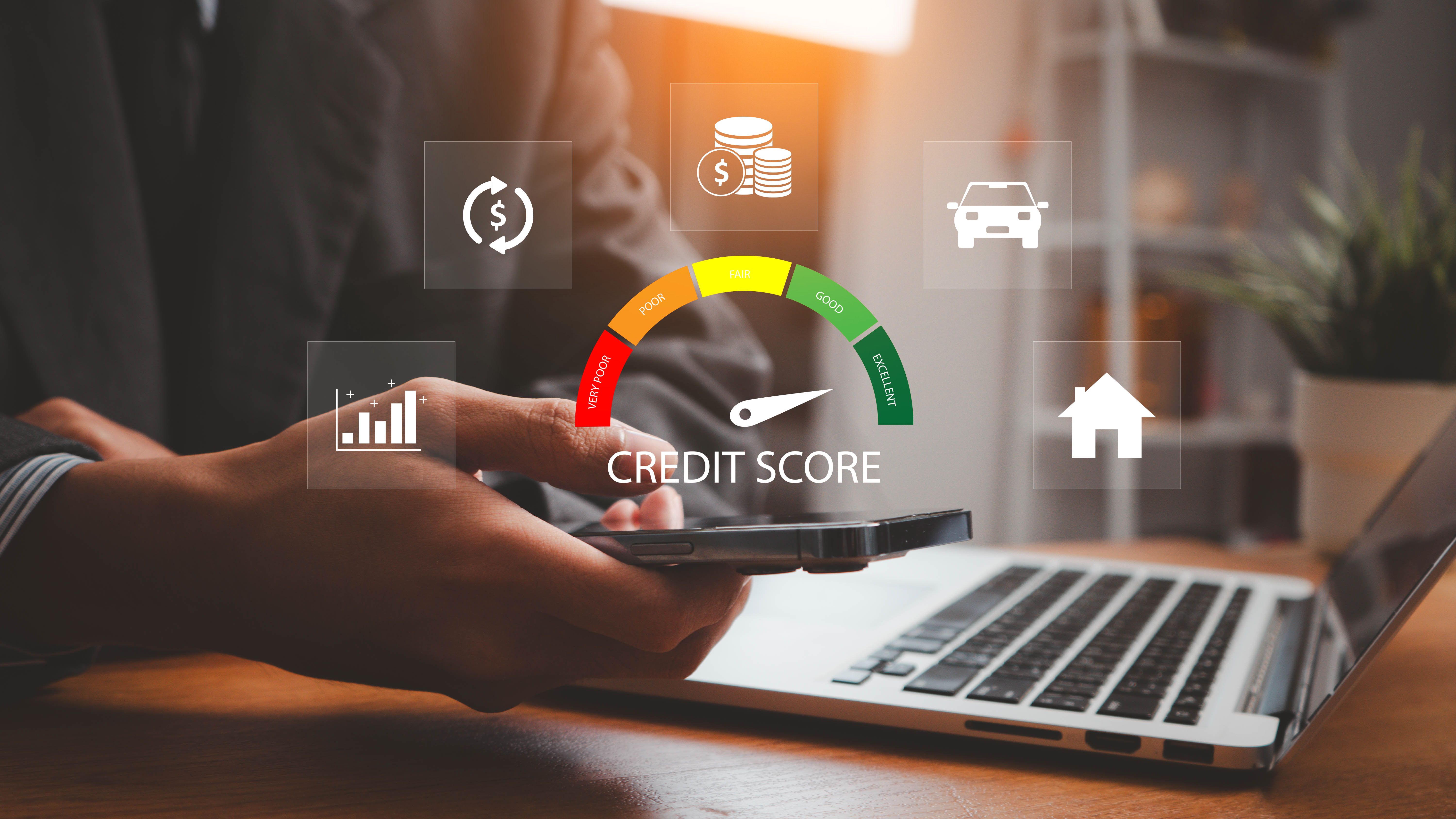
Many individuals find that they can begin to improve their credit scores relatively quickly after filing. By responsibly managing finances and using credit wisely, it’s possible to rebuild a healthy credit profile.
Myth 3: Only Financially Irresponsible People File for Bankruptcy
Another misconception is that bankruptcy is only for those who are financially reckless. In reality, many people find themselves in deep debt due to circumstances beyond their control, such as medical emergencies, job loss, or economic downturns.
Bankruptcy is a legal tool designed to help people regain control of their financial situation, regardless of how they ended up in debt. It’s crucial to approach this option without stigma or shame.

Myth 4: Bankruptcy Clears All Debts
While bankruptcy can discharge many types of unsecured debt, such as credit card balances and personal loans, it doesn’t erase all obligations. Certain debts, like student loans, child support, and recent tax debts, are typically non-dischargeable.
It’s essential to consult with a bankruptcy attorney to understand which debts can be discharged and to develop a comprehensive plan for those that remain.
Moving Forward After Bankruptcy
Filing for bankruptcy is not a sign of failure but a step towards financial recovery. By debunking these myths, we can better appreciate the role bankruptcy plays in providing relief and a chance to start anew. It’s a tool for rebuilding, not a life sentence.
For anyone considering bankruptcy, seeking professional advice is crucial. Understanding your options and rights can make a significant difference in how effectively you can move forward.