The Impact of Bankruptcy on Your Credit Score: What You Need to Know
El
Understanding Bankruptcy and Credit Scores
Filing for bankruptcy can be a daunting decision, but understanding its impact on your credit score is crucial. Bankruptcy is a legal process designed to help individuals or businesses eliminate or repay their debts under the protection of the court. While it can provide relief and a fresh start, it significantly affects your credit score.
Immediate Impact on Credit Score
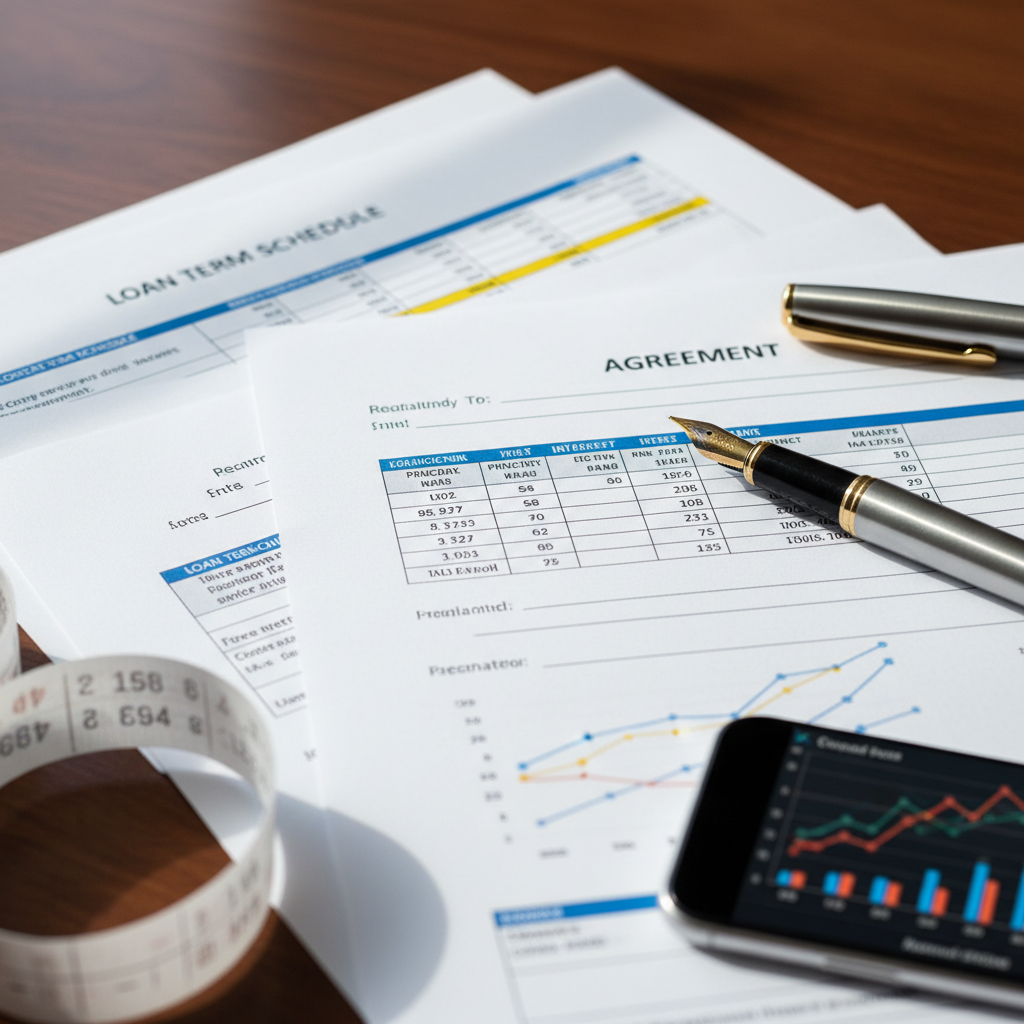
Once you file for bankruptcy, your credit score will experience a sharp decline. This drop can range between 130 to 200 points, depending on your initial score. A lower starting score typically sees a smaller drop compared to a higher score. It's important to note that this negative impact will last for several years.
The type of bankruptcy filed also plays a role. Chapter 7 bankruptcy remains on your credit report for up to 10 years, while Chapter 13 stays for seven years. During this time, lenders may view you as a higher risk, making it challenging to secure new credit.
Long-Term Effects and Recovery
The long-term effects of bankruptcy on your credit score are significant, but recovery is possible. Your ability to rebuild your credit depends on your financial behavior post-bankruptcy. Taking proactive steps can gradually improve your score over time.
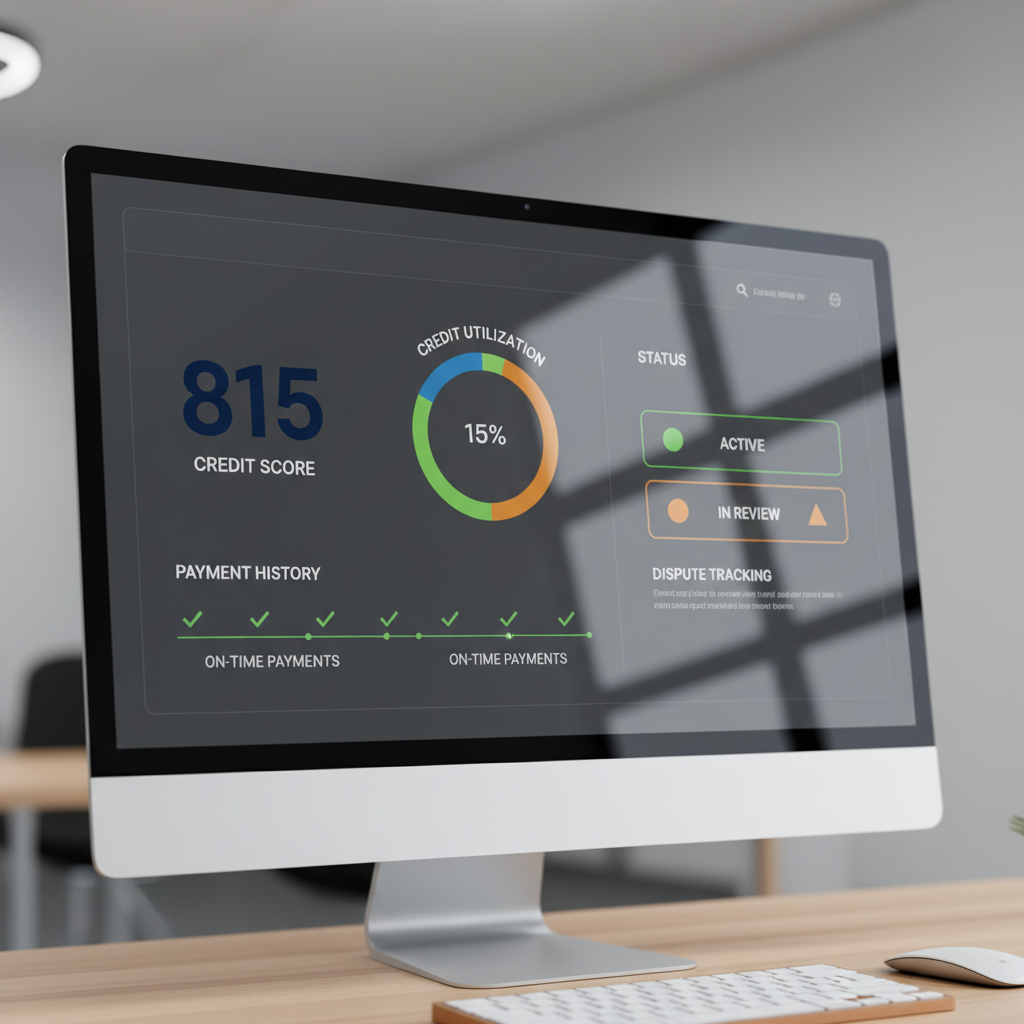
Consider creating a budget to manage your expenses effectively. Timely bill payments and responsible credit use can help rebuild trust with lenders. Over time, these positive actions will help improve your credit score.
Rebuilding Your Credit
Rebuilding your credit after bankruptcy is a gradual process. Here are some steps to help you get started:
- Secure a secured credit card: This type of card requires a deposit, which acts as your credit limit, helping you build credit responsibly.
- Monitor your credit report: Regularly check for errors or discrepancies and dispute any inaccuracies you find.
- Consider a credit-builder loan: These small loans are designed to help rebuild credit and establish a positive payment history.

Alternative Options and Considerations
While bankruptcy offers a fresh start, it's essential to explore all available options before filing. Consider credit counseling, debt consolidation, or negotiating with creditors. These alternatives may provide relief without the long-lasting impact on your credit score.
Consulting with a financial advisor can help you weigh the pros and cons of each option based on your unique financial situation. Making an informed decision is crucial to ensure your financial well-being in the long term.
Conclusion: Moving Forward
While bankruptcy can severely impact your credit score, it is not the end of your financial journey. By understanding its effects and taking deliberate steps to rebuild your credit, you can regain financial stability over time. Remember, patience and persistence are key to recovering from bankruptcy and improving your creditworthiness.