Top Questions Answered: Navigating Bankruptcy in Harris County
El
Understanding Bankruptcy in Harris County
Bankruptcy can be a daunting process, especially if you're unfamiliar with how it works. In Harris County, as in other parts of the United States, bankruptcy provides a legal means for individuals and businesses to eliminate or repay some or all of their debts under the protection of the federal bankruptcy court.
There are different types of bankruptcy, each suited to different situations. The most common types are Chapter 7 and Chapter 13 bankruptcy. Understanding which type is right for you is the first step in navigating this complex process.

What is Chapter 7 Bankruptcy?
Chapter 7 bankruptcy, often referred to as "liquidation bankruptcy," involves the selling of assets to pay off debts. It's designed for individuals with limited income who cannot pay back their debts. A trustee is appointed to oversee the sale of non-exempt assets and distribute the proceeds to creditors.
One of the most significant benefits of Chapter 7 is the discharge of unsecured debts, meaning you are no longer legally required to pay them. However, not all debts can be discharged. It's crucial to understand which debts will remain even after bankruptcy.

How Does Chapter 13 Bankruptcy Work?
Unlike Chapter 7, Chapter 13 bankruptcy allows individuals with a regular income to create a plan to repay all or part of their debts over a three to five-year period. This type of bankruptcy is often chosen by those who have valuable assets they wish to keep, such as a home or car.
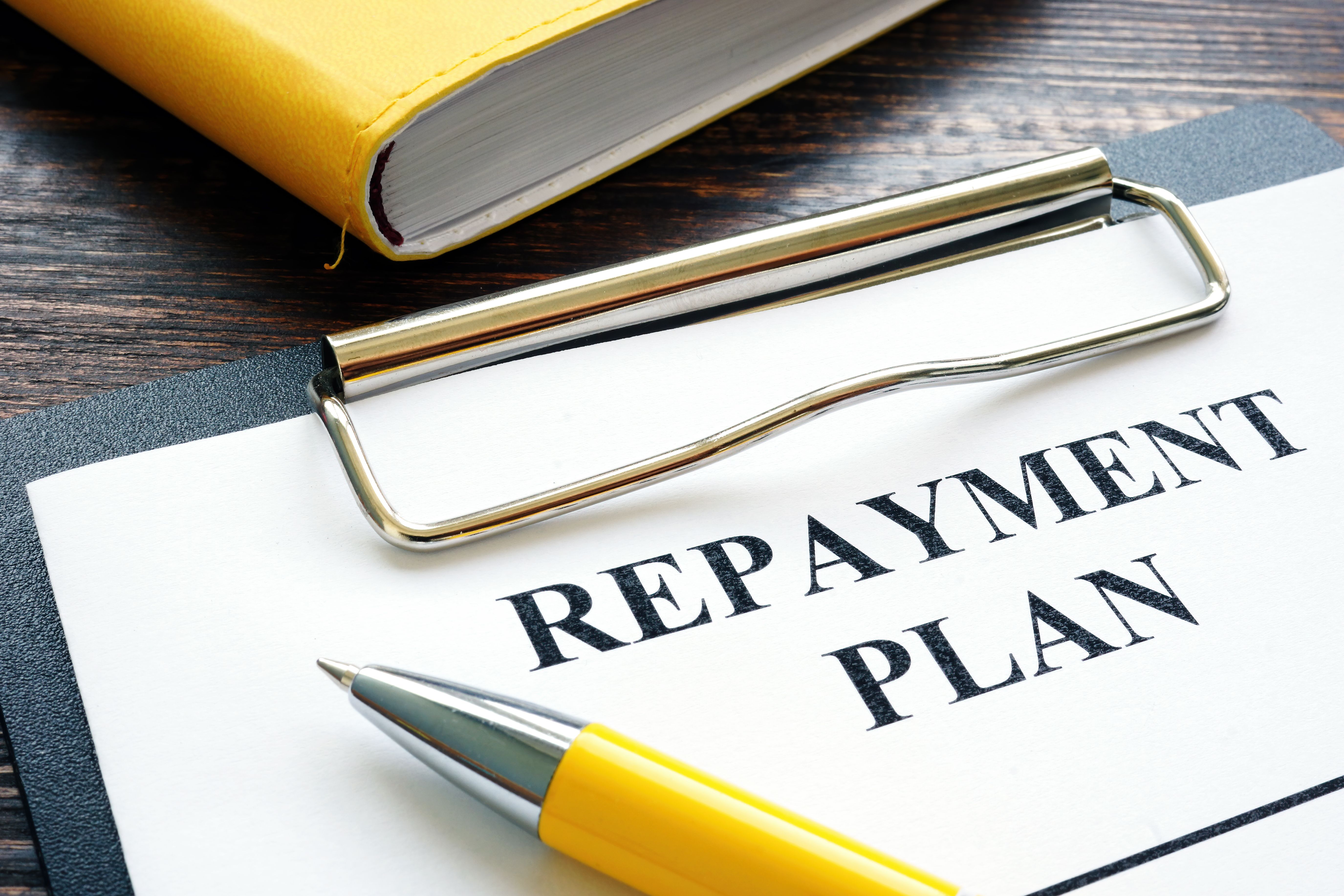
Under Chapter 13, you propose a repayment plan to your creditors and the court, detailing how you will pay off your debts. Once you complete the plan, any remaining unsecured debt may be discharged.
Common Questions About Bankruptcy
When considering bankruptcy, people often have several questions. Here are a few common ones:
- Will I lose my home? - It depends on several factors, including the type of bankruptcy filed and the equity in your home.
- How long does bankruptcy stay on my credit report? - Chapter 7 bankruptcy remains on your credit report for ten years, while Chapter 13 stays for seven years.
- Can all debts be discharged? - No, certain debts like student loans, child support, and taxes generally cannot be discharged.
The Role of a Bankruptcy Attorney
Having an experienced bankruptcy attorney can make a significant difference in navigating the process. They can help determine which type of bankruptcy is best suited for your situation and guide you through the legal requirements.
An attorney can also represent you in court, communicate with creditors on your behalf, and ensure that your rights are protected throughout the process.

Preparing for Life After Bankruptcy
Filing for bankruptcy is a chance to reset your financial life, but it requires careful planning to ensure long-term success. It's important to create a budget, build savings, and work on rebuilding your credit score.
Many people find it beneficial to seek financial counseling and education to help manage their finances better and avoid future pitfalls.
Bankruptcy should not be seen as the end but rather a new beginning, offering a fresh start for those burdened by debt. Understanding your options and seeking professional advice can lead to a more secure financial future.