Understanding Bankruptcy: A Comprehensive Guide for Harris County Residents
El
Understanding Bankruptcy
Bankruptcy can be a daunting concept for many Harris County residents. It's often seen as a last resort for those struggling with overwhelming debt. However, understanding the ins and outs of bankruptcy can help you make informed decisions about your financial future. This guide aims to provide clarity on the subject and offer insights into the bankruptcy process.

What is Bankruptcy?
Bankruptcy is a legal process that allows individuals or businesses to eliminate or repay some or all of their debts under the protection of the federal bankruptcy court. It aims to provide relief for those who can no longer meet their financial obligations, while also offering creditors a chance to receive some repayment.
There are different types of bankruptcy filings, each with its own procedures and implications. The most common for individuals are Chapter 7 and Chapter 13, each designed to address different financial situations.
Types of Bankruptcy
Chapter 7 Bankruptcy: Often referred to as "liquidation bankruptcy," Chapter 7 involves the sale of a debtor's non-exempt assets to repay creditors. This process can lead to the discharge of most debts, offering a fresh start.
Chapter 13 Bankruptcy: Known as "reorganization bankruptcy," Chapter 13 is designed for individuals with a regular income. It allows debtors to create a repayment plan to pay back all or part of their debts over a three to five-year period.

The Bankruptcy Process
Filing for bankruptcy involves several steps. Initially, you'll need to gather financial documents, complete credit counseling, and fill out bankruptcy forms. Following this, your case will be filed in court, and a trustee will be appointed to oversee the process.
For those in Harris County, it's crucial to seek guidance from a qualified bankruptcy attorney to navigate the legal complexities and determine the best course of action for your specific situation.
Pros and Cons of Bankruptcy
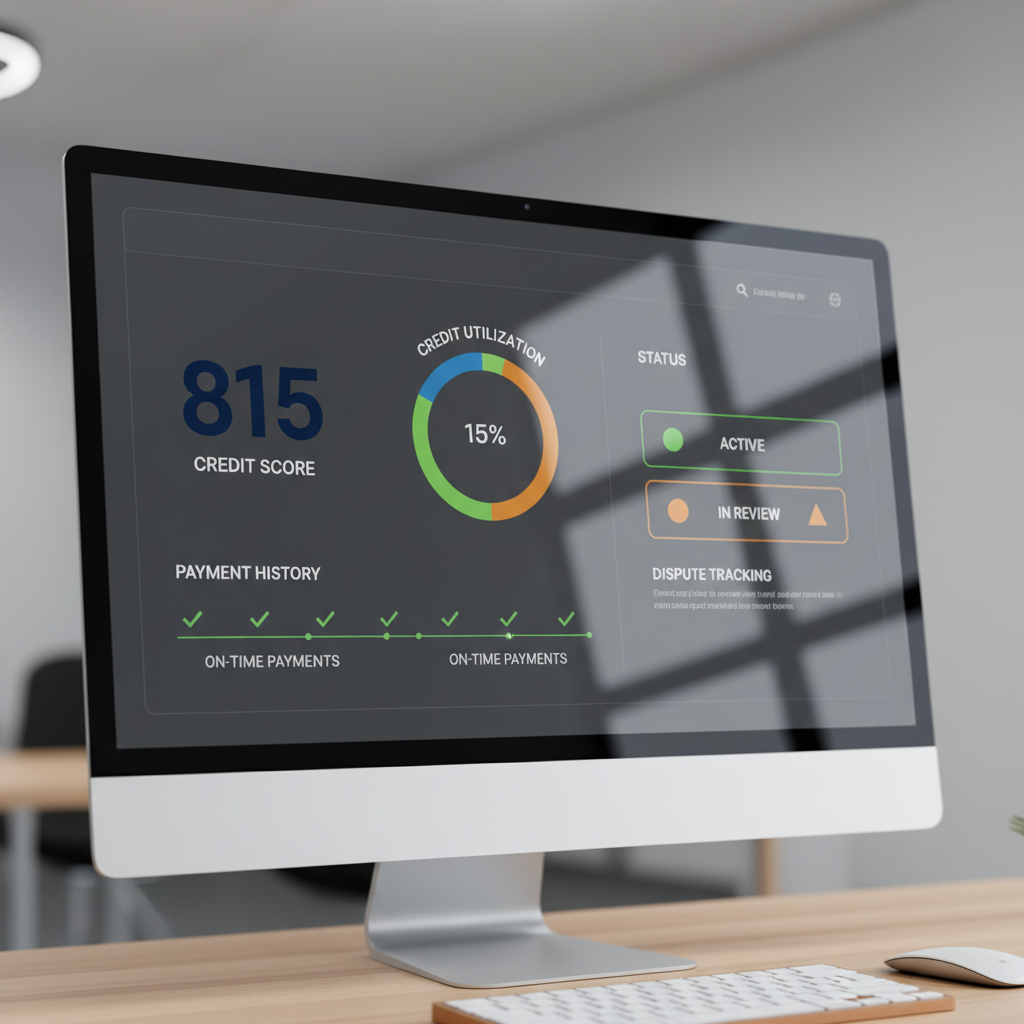
While bankruptcy can offer a fresh start, it's important to weigh its pros and cons. Benefits include the discharge of unsecured debts and the prevention of creditor harassment. However, it can also negatively impact your credit score, making it difficult to obtain loans or credit in the future.
Moreover, not all debts can be discharged through bankruptcy. Student loans, child support, and certain tax obligations are typically non-dischargeable, meaning you'll remain responsible for these payments.
Life After Bankruptcy
Rebuilding your financial life after bankruptcy is a gradual process. Focus on creating a budget, managing expenses, and slowly rebuilding your credit. It's also essential to adopt better financial habits to avoid falling into debt again.
Harris County residents can access various local resources and financial education programs to support their journey towards financial stability. By taking proactive steps, you can regain control of your financial future and work towards a more secure and successful life.